Value-added services · 6 min read
Assembly, Rework, and Repackaging: Warehouse Labor Explained
What assembly, rework, and repackaging mean in a warehouse, when the work shows up, why it costs less done where inventory sits, and how to scope a job.
By The Papez Company · Published
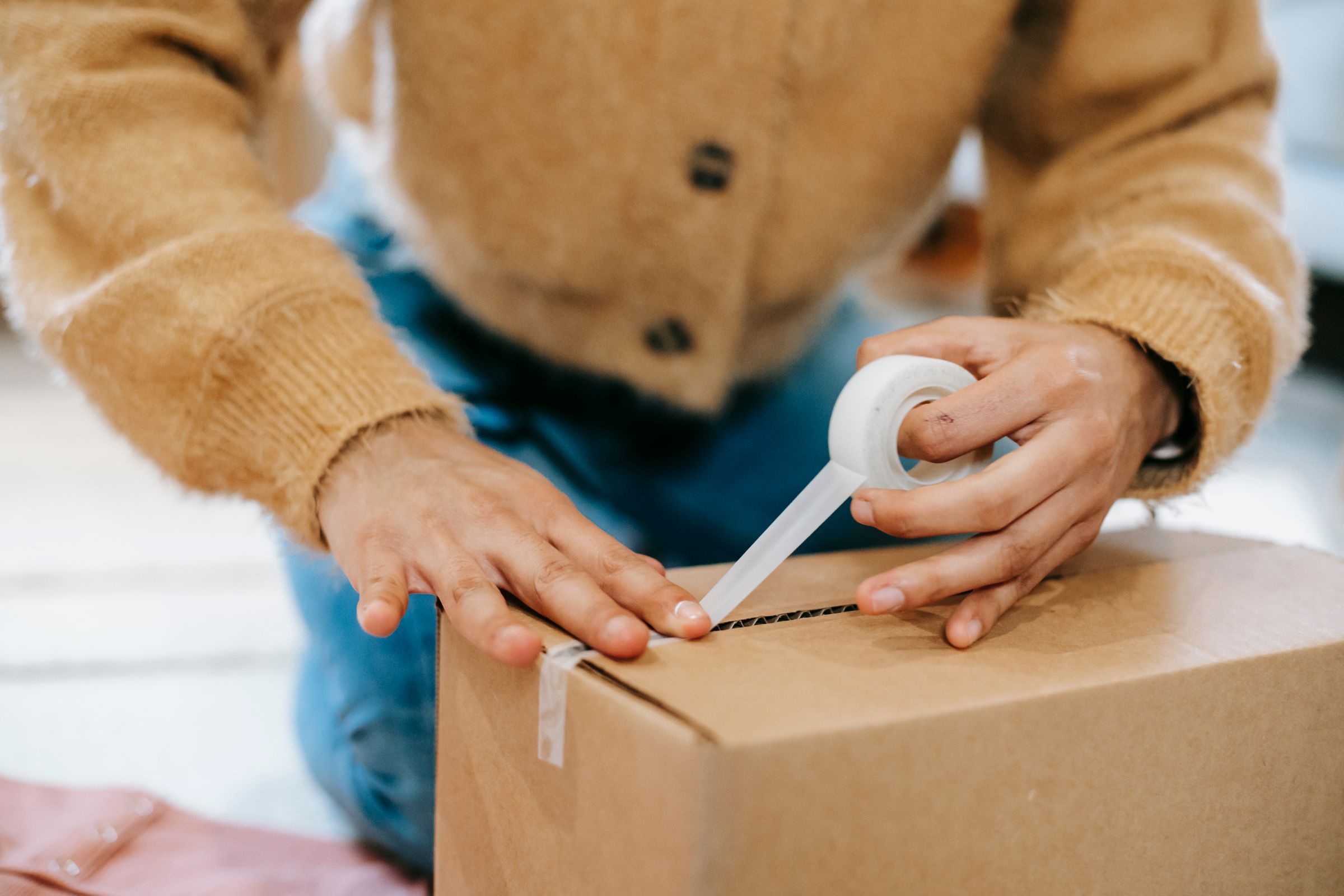
Assembly, rework, and repackaging are the jobs that land on a warehouse floor when product is not in the condition it needs to sell or ship. A container arrives with the wrong case pack, a marketplace changes a labeling rule, or a retailer wants display-ready cases instead of plain master cartons.
Someone has to open the boxes, fix the problem, and close them back up. In a lot of growing businesses, that someone is the owner, the sales team, or whoever is closest to the pallet. This post covers what each term means in practice, when the work shows up, why it is cheaper to do where the inventory already sits, and how to scope a job so it gets quoted and finished without surprises.
What assembly, rework, and repackaging mean on the floor
The three terms get used interchangeably, and one job can involve all three. They describe different starting points, and knowing which one you are asking for helps a warehouse quote accurately.
Assembly
Assembly is putting separate pieces together to make one sellable unit. The components arrive as individual SKUs, often from different suppliers, and leave as a single item with one barcode.
- Combining a product, its accessory, and a printed insert into one retail box
- Building multipacks: six singles become a six-count, or three colors become an assortment
- Loading display-ready cases with product, trays, and header cards for a retail promotion
Rework
Rework is correcting product that is already packaged but wrong in some way. Nothing new is built. Something is fixed so the unit will scan, pass inspection, or be accepted by the receiver.
- Removing an incorrect barcode and applying the right one
- Adding a missing country-of-origin mark or a required warning label
- Opening cartons with a wrong inner count and rebuilding them to the correct one
- Replacing crushed, torn, or water-stained packaging on units that are otherwise sound
Repackaging
Repackaging is changing the packaging configuration on purpose. The product is fine. The way it is packed no longer matches how it needs to sell or ship.
- Swapping plain outer cartons for branded or retailer-specified ones
- Breaking a bulk master case into inner packs sized for e-commerce orders
- Changing case counts, for example from 24 per case to 12, to match a distributor's order
- Poly-bagging or bundling units so they can be forwarded to a fulfillment center
A container that arrives with the wrong labels and the wrong case pack needs rework and repackaging at once. Describe the starting condition and the finished condition and let the warehouse sort out what to call it.
When businesses need warehouse rework services
Rework rarely appears on a plan. It shows up in response to something, usually with a deadline attached. Four triggers account for most of it.
- Marketplace compliance. Amazon fulfillment centers and Walmart's fulfillment network each have their own requirements for barcodes, poly bags, bundling, and carton contents. Inventory packed for wholesale usually needs prep before it is forwarded, and inventory that gets refused has to be corrected before it goes back.
- Retailer routing guides. A retail purchase order comes with a routing guide covering case labels, pallet configuration, and sometimes display-ready packaging. Repackaging for retail compliance means rebuilding product that was packed for e-commerce to that guide before the delivery appointment.
- A packaging change mid-season. New artwork, a new size, a label update, or a shift from singles to multipacks. The new packaging is ready, but pallets of the old version are still in stock and need to be brought up to date rather than written off.
- A supplier mistake. The factory used last year's labels, short-packed the inner cartons, put the wrong barcode on the master case, or shipped loose components that were supposed to be assembled. The container is already here, the sale is already made, and the fastest fix is on this side of the ocean.
Why it is cheaper to do this where the inventory already sits
The instinct when a rework job appears is to ship the product somewhere to be fixed: back to the supplier, to a co-packer, or to your own office. Each option adds freight, handling, and time the job itself does not require.
Doing the work inside the warehouse that already holds the inventory removes most of that overhead. That is the arrangement warehouse rework services are built around.
- No freight out and back. Pallets are pulled from a rack location to a work table and returned to the same location, not loaded on a truck twice.
- No second receiving. Product that leaves a building has to be counted out and counted back in. Product that stays put keeps one count, and the count is updated as units are finished.
- No floor space taken from your own operation. A rework project needs tables, cartons, tape, and room to stage pallets. In a small office or a first warehouse, that means shipping stops while the project runs.
- Finished units go straight to their next step: back into a pick location, onto an outbound pallet, or staged for forwarding to a fulfillment center, without leaving the building.
If the product is already stored in a warehouse that does this work, the cheapest place to fix it is a few aisles from where it sits. Move the labor to the inventory, not the inventory to the labor.
How to scope a rework job
A warehouse cannot quote work it has not seen. Four things turn a phone call into a scoped project.
- Samples. Send one unit in its current condition and, if you have it, one unit in the finished condition. Photos help, but a physical sample answers questions a photo cannot: how the carton opens, whether the old label peels clean, how much room is left in the box.
- A written spec. One page that says what goes in, what comes out, and what is acceptable: label placement, pack counts, orientation, which inserts go where, and what to do with units that do not pass. If a retailer or marketplace issued the requirement, attach that document instead of paraphrasing it.
- Quantities. Total units, how they are packed now (loose, cartoned, or palletized), and how many per case and per pallet when finished. Say who supplies the cartons, labels, poly bags, and inserts, and whether those are on hand or still on order.
- A deadline. When the finished product needs to ship and why: a retailer appointment, a marketplace check-in, a launch date. A real date lets the warehouse plan labor. A date with no reason behind it tends to get treated as flexible.
Two more details save back and forth. Say whether the inventory is already stored with the warehouse or will be shipped in for the project, and where the finished goods go afterward: back to stock, out as freight, or forwarded to a fulfillment center.
In return, expect the warehouse to confirm the materials list, flag anything in the spec that will not work with the product, explain how damaged or short units get reported, and quote based on unit count and handling per unit. If a warehouse quotes without asking for a sample, ask why.
Where The Papez Company fits
The Papez Company is a family-owned and operated warehouse in Montclair, California, on the western edge of the Inland Empire and approximately 50 miles from the Ports of Los Angeles and Long Beach. We operate an FDA registered facility. Assembly, rework, and repackaging are done in the same warehouse as warehousing, pick and pack, and FBA and WFS forwarding, so reworked product does not have to be trucked anywhere before it goes back into stock, into an order, or out to a fulfillment center.
If you have inventory that needs to be rebuilt, relabeled, or repacked, a sample, a spec, a unit count, and a ship date are enough to get it scoped. Send them through our contact page to get started.