Marketplaces · 6 min read
Amazon FBA Forwarding: When to Use an FBA Prep Warehouse
Amazon FBA forwarding explained: supplier-direct vs. an FBA prep warehouse, what prep covers, why sellers hold reserve stock, and how WFS compares.
By The Papez Company · Published
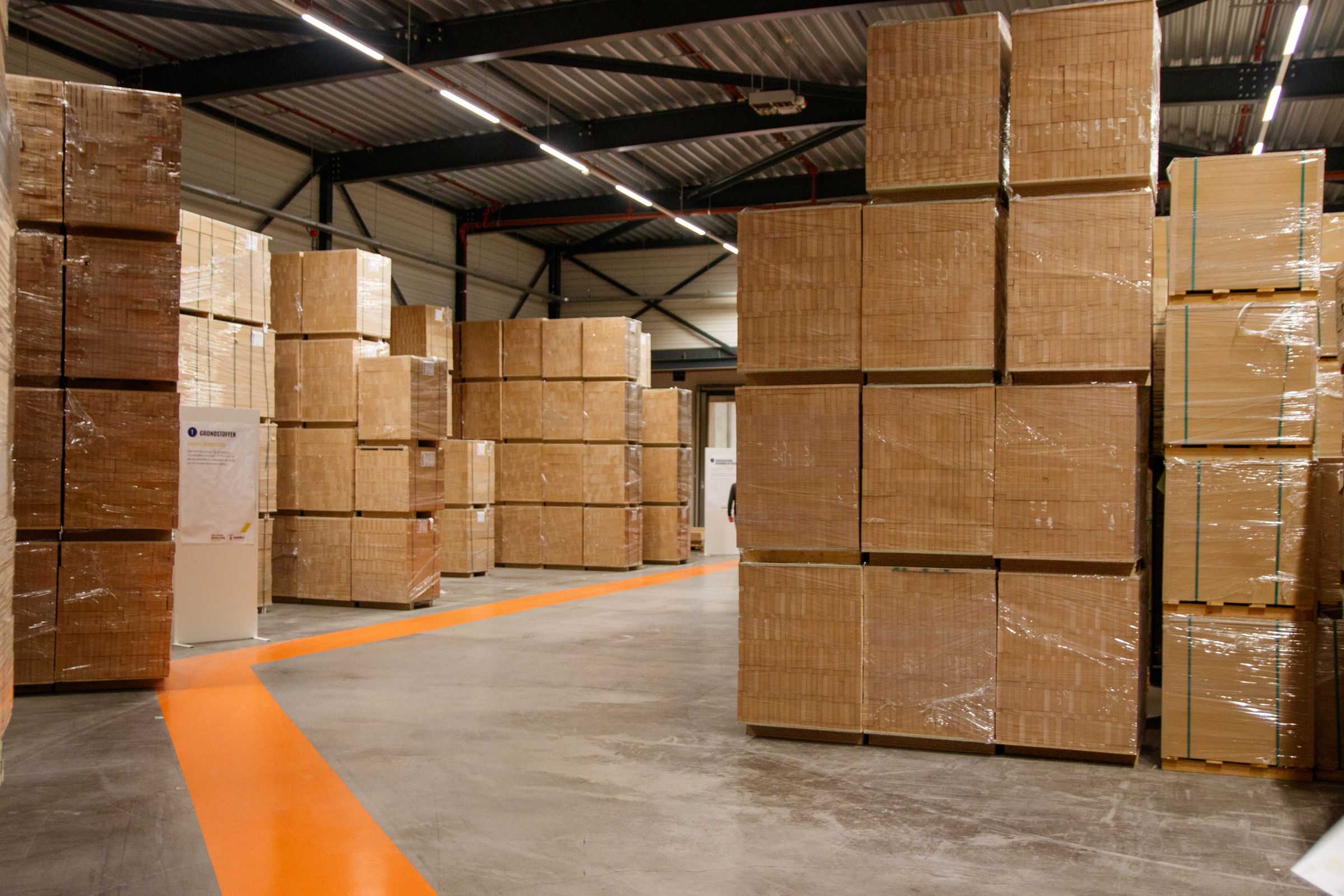
Amazon FBA forwarding is the work of getting inventory from a supplier into an Amazon fulfillment center. It covers receiving the goods, prepping them to the requirements in your seller account, building cartons and pallets, and shipping them to the fulfillment center Amazon assigns. Sellers who get this step wrong end up with refused shipments and stranded product.
Fulfillment by Amazon itself is easy to describe. You send inventory to an Amazon fulfillment center, Amazon stores it, and Amazon ships the orders. The part that trips up sellers is the first step: getting the right product, in the right condition, into the fulfillment center. Here is what each step involves and when it is worth putting an FBA prep warehouse in the middle.
Two ways to get inventory to Amazon
The direct route is the obvious one. Your supplier packs the product, applies the labels you sent them, and ships straight to the fulfillment center on the inbound shipment you created. No one on your side touches the goods. It works when the supplier is reliable, the product is simple, and you are fine sending an entire production run into Amazon at once.
The forwarding route puts a warehouse in the middle. The supplier ships to the warehouse, which receives and counts the goods, checks condition, does the prep, holds whatever is not going in yet, and forwards the rest in the quantities you choose. It adds a stop. In exchange you see the product before Amazon does and keep control of what is not yet inside a fulfillment center.
- Direct: fewer touches, lower handling cost, and no visibility until Amazon checks the shipment in.
- Forwarded: one extra stop, a chance to inspect and correct, and reserve stock held where you can reach it.
What FBA prep typically covers
Prep is the set of physical tasks that make a unit or a carton acceptable to the fulfillment center. What is required is defined in your seller account, product by product. The warehouse does not decide what prep is needed. Your account does.
Unit-level prep
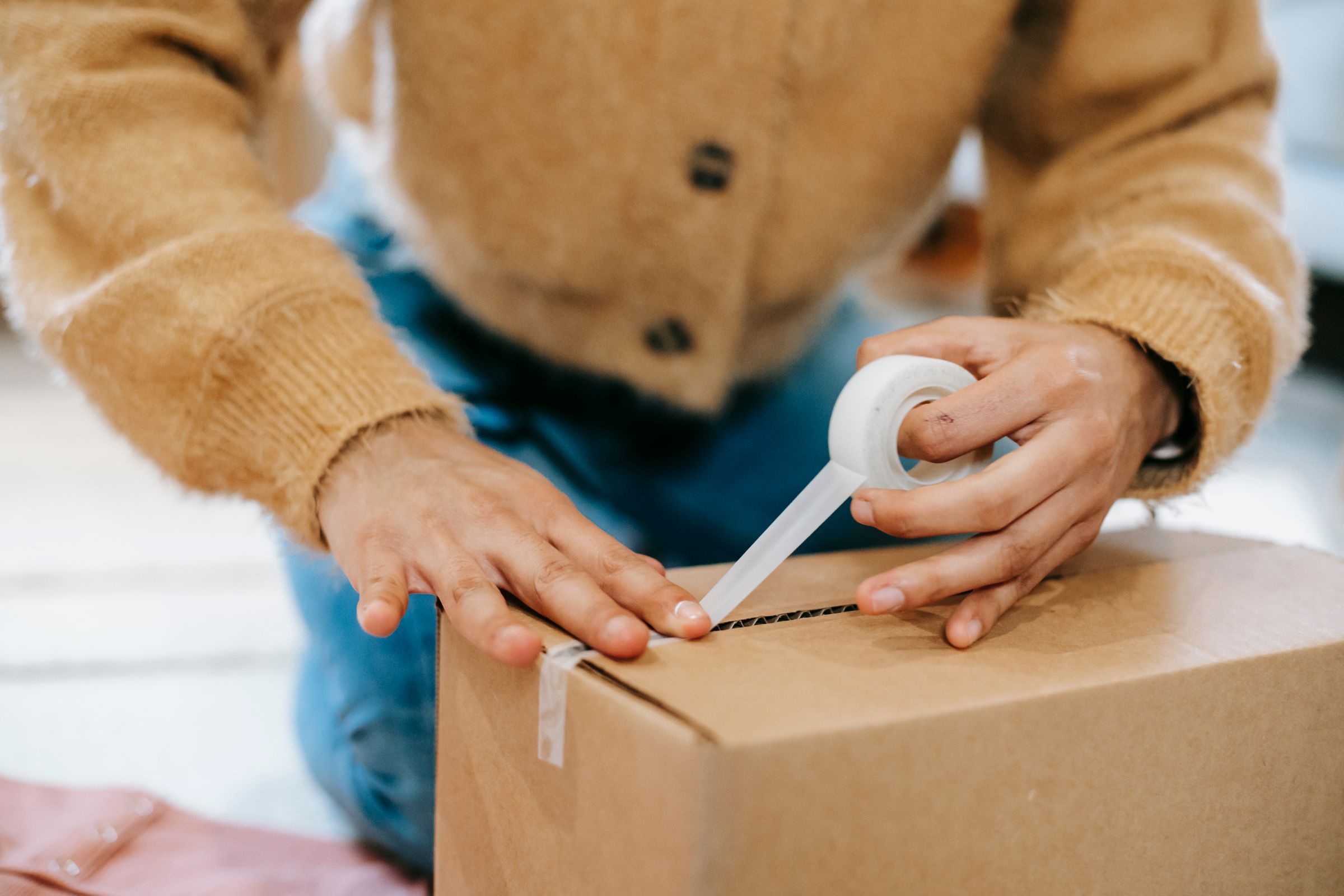
- Item labeling: applying a scannable Amazon product label (often called an FNSKU label) to each unit when the manufacturer barcode is not acceptable or not being used.
- Poly bagging: sealing loose, fragile, or exposed products in bags, with whatever warning text the requirements call for.
- Bundling: combining several units into one sellable set and marking it so the fulfillment center does not break it apart.
- Covering barcodes that would scan as the wrong item, and adding bubble wrap or overboxing where the category calls for it.
Carton and pallet prep
- Packing cartons within the weight and dimension limits shown in your account, with the correct shipment label on every box.
- Matching carton contents to what the inbound shipment says is in each box.
- Building pallets to the standard the fulfillment center is set to receive: stacked, wrapped, and labeled.
- Booking parcel, LTL, or full truckload freight and scheduling the pickup.
Suppliers can do some of this. The catch is that a factory overseas works from instructions you emailed months ago, and you learn how well they followed them when the fulfillment center checks the shipment in. Rework caught at a warehouse is a labor line item, while rework caught at Amazon is a refused shipment or stranded product. That gap is why assembly and rework is so often part of a forwarding arrangement.
Why sellers hold reserve inventory outside Amazon
Amazon charges for the space your inventory occupies and limits how much you can send in. The exact fees and limits change over time, so read them in your seller account, not in a blog post. The direction is consistent: inventory that sits costs more than inventory that turns, and you cannot always send in as much as you would like.
That is why sellers keep a reserve outside Amazon. The typical pattern:
- Receive the full supplier order at a warehouse.
- Prep and forward the quantity Amazon will accept and that you expect to sell through in a reasonable window.
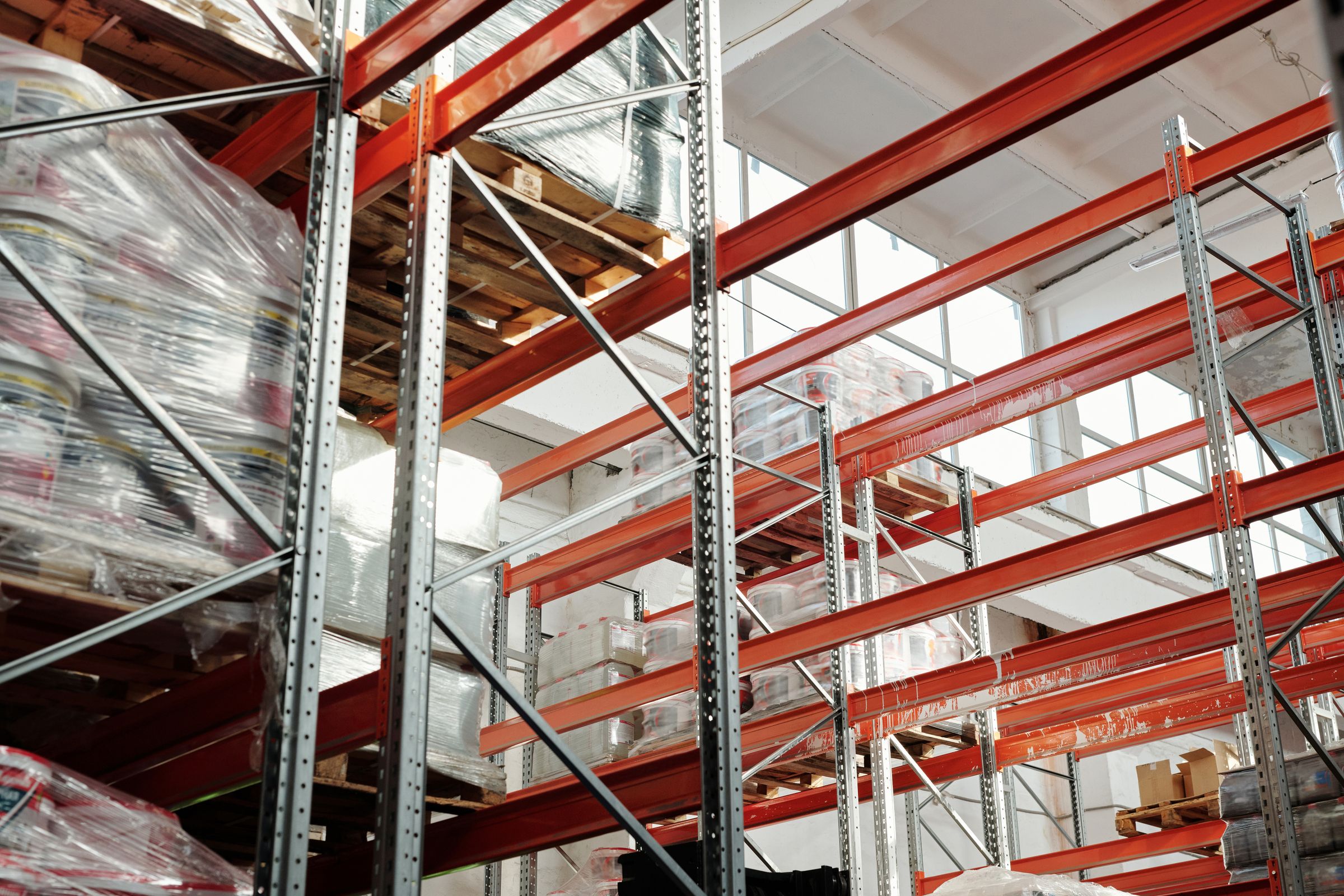
- Hold the rest on racking and release it in smaller lots as the marketplace sells down.
- Draw on the same reserve for your own website orders, wholesale accounts, or a second marketplace.
The second reason matters as much as cost. A reserve outside Amazon is inventory you can still fix. If a label is wrong or a bundle changes, units in your warehouse can be relabeled or reworked before they go in. Units already inside a fulfillment center are far harder to correct.
A useful test: if a supplier order would sell through at Amazon in a few weeks and you have never had a prep problem, ship direct. If it would take months, or you have ever had a shipment refused, hold the reserve somewhere you can reach it.
The same logic applies to Walmart's fulfillment network
Walmart Fulfillment Services works on the same model as FBA. You create an inbound shipment in your seller account, prep and label to Walmart's requirements, and ship to the fulfillment center Walmart assigns. The requirements are not identical to Amazon's. Labels, carton rules, pallet specs, and shipment creation are Walmart's own, and the storage fees and limits are separate.
Selling on both marketplaces is the strongest case for a forwarding warehouse, because one inventory pool sits in one building. When Amazon needs a replenishment, a lot is prepped to Amazon's requirements and shipped. When Walmart needs one, a lot is prepped to Walmart's. Neither marketplace holds your whole stock, and no supplier runs two prep specs on one production run.
When a prep and forwarding warehouse makes sense
A forwarding stop is worth paying for when at least one of these is true:
- Supplier shipments do not match what Amazon or Walmart will accept at one time, so part of every order has to be held back.
- Product arrives needing labels, bags, bundles, or repackaging the supplier cannot do reliably.
- You sell the same inventory on more than one channel and want one place to draw from.
- You import through the Ports of Los Angeles and Long Beach, a full container rarely matches what a marketplace will take at once, and you want it unloaded near the port rather than trucked across the country first.
- You have been prepping in a garage or spare office and the volume has outgrown it.
It makes less sense when the product is simple, the supplier is reliable, sell-through is fast, and you sell on one marketplace only. Ship direct and revisit the decision when volume or complexity changes.
What to send a warehouse before the first shipment
A first shipment goes smoothly when the warehouse knows what is coming and what to do with it. Send these before the freight is booked:
- A product list with SKUs, descriptions, units per case, and case dimensions and weights as the supplier packs them.
- The prep requirements for each SKU as shown in your seller account.
- Label files, or access to generate them, so the warehouse prints what your account expects.
- The inbound shipment details once created: destination, quantities per SKU, carton count, and whether it ships as cartons or pallets.
- Arrival information for the supplier shipment: carrier, container or tracking reference, and the packing list.
- How much of the order goes in now and how much is held as reserve.
- Who to call when something arrives damaged, short, or different from the packing list.
That is the list The Papez Company asks for before a first shipment. We are a family-owned and operated warehouse in Montclair, California, in the Inland Empire, approximately 50 miles from the Ports of Los Angeles and Long Beach. Inventory is received into our FDA registered facility, prepped to the requirements in your seller account, and forwarded to Amazon fulfillment centers or into Walmart's fulfillment network in the lot sizes you choose. See Amazon and Walmart FBA forwarding and warehousing, or send the list with a quote request.