Importing · 6 min read
Why Importers Stage Inventory in Inland Empire Warehouses
Why importers stage inventory in Inland Empire warehousing: how containers move from the Ports of Los Angeles and Long Beach to a warehouse and what to prepare.
By The Papez Company · Published
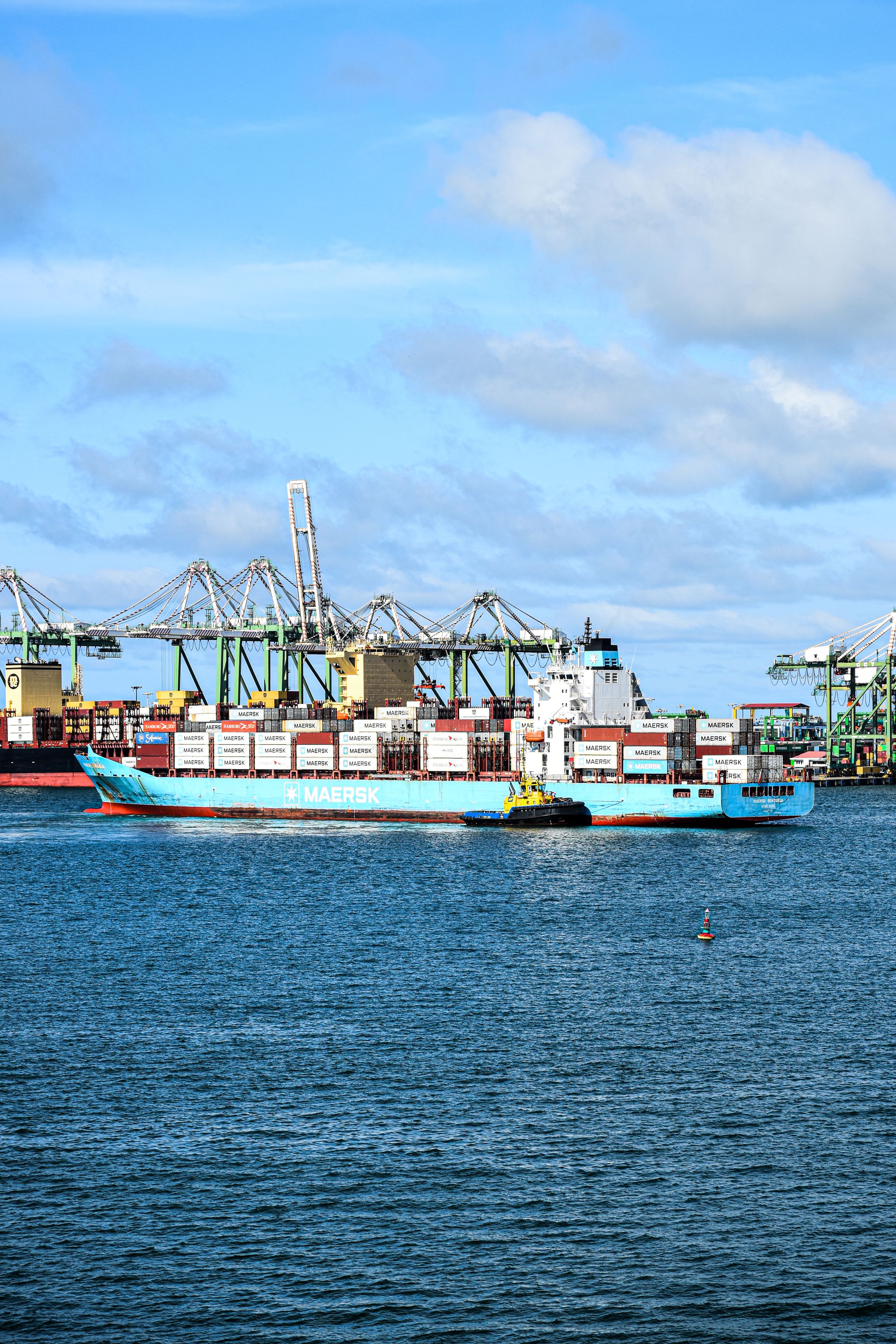
Importers stage inventory in the Inland Empire because that is where containers from the Ports of Los Angeles and Long Beach get emptied. Freight lands in San Pedro Bay and very little of it stays there. Containers are pulled off the terminal, trucked inland, and de-stuffed at a warehouse, and many of those warehouses are in the Inland Empire.
This post walks through that flow for importers weighing Inland Empire warehousing as the place inventory should land: what happens between ship and shelf, why the Inland Empire became the warehousing corridor, what transloading and de-stuffing mean, and what to have ready before a container arrives.
From ship to shelf: what happens to a container after it lands
The route is the same whether the box holds furniture, apparel, or packaged consumer goods. The details change with the commodity. The sequence does not.
- Arrival and discharge. The vessel berths at a terminal in San Pedro Bay and the container is lifted off and placed in the terminal yard.
- Customs clearance. The importer's customs broker files the entry with U.S. Customs and Border Protection. Until customs and the ocean carrier both release the container, it cannot leave the terminal. Some containers are flagged for exam, which adds time.
- Drayage. A drayage carrier picks up the released container with a truck and chassis and hauls it inland. Terminals allow a window of free time before storage charges start, so the pickup date matters.
- Delivery and de-stuffing. The container arrives at the receiving warehouse, is unloaded, and the cartons or pallets are counted against the shipping documents.
- Empty return. The empty container goes back to the terminal or a depot. The importer is on the clock for the equipment until it is returned, so a warehouse that unloads promptly keeps that cost down.
Every step has a clock on it: terminal free time, equipment return, and driver wait time at the dock. Where you choose to de-stuff affects all three.
Why the Inland Empire became the warehousing corridor
The Inland Empire covers the western parts of San Bernardino and Riverside counties, directly east of Los Angeles County. It became the place where the region's large warehouses were built, and the reasons still hold.
- Land. A distribution building needs a large, flat parcel with room for trucks to turn and park. That land exists in the Inland Empire in a way it does not in the older industrial districts closer to the coast.
- Freeway access. Interstate 10 and State Route 60 connect the area to the Los Angeles basin and the ports, and Interstate 15 carries freight north through the Cajon Pass and south toward San Diego.
- Reach to the Los Angeles market. Warehouses here deliver into Los Angeles, Orange County, and the rest of Southern California on a local run, far enough from the coast that the real estate works.
The result is a corridor of distribution centers running from Pomona and Chino through Ontario and Fontana toward Riverside. Montclair, where The Papez Company operates, sits at the western edge of it on the I-10, approximately 50 miles from the Ports of Los Angeles and Long Beach. See our Inland Empire warehousing page for how that location works for importers.
Transloading and de-stuffing near the Ports of Los Angeles and Long Beach
Two words come up constantly in port logistics, and both describe getting freight out of a container. They are not the same job.
De-stuffing
De-stuffing, also called devanning, means emptying an ocean container. If the cargo was loaded on pallets, a forklift pulls it out quickly. If it was floor-loaded, meaning cartons were stacked directly on the container floor to fit more product, every carton is handled by a person and built onto pallets as it comes off. Floor-loaded containers hold more and take more labor to receive.
Transloading
Transloading means moving freight from one mode of transport to another, typically out of the ocean container and into a domestic trailer, without putting it into long-term storage. The goal is to get the container empty and back to the terminal, then send the product onward on domestic equipment that is easier to hold and route.
In practice the two overlap. A warehouse de-stuffs the container, and the product then goes into storage, gets reworked, or gets reloaded and ships out. Which path it takes is your call, and it can differ SKU by SKU.
Where a smaller, family-owned warehouse fits
The large distribution centers in the corridor are built for shippers who fill them. If you import a container every month or a few per quarter, that scale does not fit. You either lease more space than you use or become a small account inside a big operation.
A smaller warehouse handles the same receiving work at a scale that matches yours. At The Papez Company, container drayage from the ports comes straight to our dock in Montclair, where the container is unloaded, counted, and put away in the same building where it will later be picked, packed, or forwarded. Warehousing, inventory management, and freight shipping and receiving are handled by the same family-owned crew, and a question about a discrepancy is answered by someone who handles your product.
Once a container is de-stuffed, product goes one of a few directions, and often several at once:
- Into storage as pallets or cartons until you need it
- Into pick and pack for e-commerce orders or B2B shipments
- Through labeling, repackaging, or rework before it is sold
- Prepped and forwarded to Amazon fulfillment centers or Walmart's fulfillment network
- Reloaded onto LTL or full truckload freight to another destination
What to prepare before the container arrives
Most receiving problems start before the truck backs in. A container that arrives with clean paperwork, an accurate carton count, and readable labels is unloaded and put away without questions. One that does not becomes a phone call, a recount, and a delay while the container sits on the chassis.
Paperwork
- Send the warehouse the commercial invoice and packing list before the container is released. The packing list is what the receiving crew counts against. A printable container receiving checklist lists everything to send ahead.
- Confirm the container number, seal number, and delivery date with both the drayage carrier and the warehouse so the dock is ready.
- Flag anything unusual in advance: mixed SKUs in one carton, samples, product to hold until you inspect it, or special handling or storage requirements, so the warehouse can confirm fit before the container is booked.
Carton counts
- Know the total carton count and the count per SKU. If the supplier loaded a different quantity than the purchase order, find out before the container ships, not at the dock.
- Ask the supplier for a loading plan or photos of the loaded container. Knowing what is in front and what is in back helps the crew stage pallets as they unload.
- Decide the unit of receiving ahead of time: cartons, inner packs, or individual units. Counting units inside cartons is slower and usually only worth it when carton contents vary.
Labeling
- Every carton should carry the SKU, a description, and the quantity on at least one visible face. Unlabeled cartons have to be opened to identify, which slows the whole container.
- If product will be forwarded to Amazon or Walmart, say whether cartons and units need marketplace labels applied at the warehouse. Prep is easier to schedule when it is called out before arrival.
- Match the labeling on the cartons to the SKU names on your packing list. A mismatch between label, invoice, and your own item list is a frequent cause of inventory that cannot be found later.
Tell the receiving warehouse ahead of time whether the container is palletized or floor-loaded, and how you want product palletized once it is out. Floor-loaded containers need more labor, pallets, and stretch film, and a crew that knows that in advance unloads faster than one that finds out at the dock.
The geography is why the corridor exists: close enough to the ports for a single drayage move, close enough to Los Angeles to deliver into the market, with room for the buildings. An importer who understands the flow and shows up with the paperwork in order gets that benefit on the first container, not the third. If you are planning a container into the Inland Empire, send us the details and we will confirm fit before it is booked.